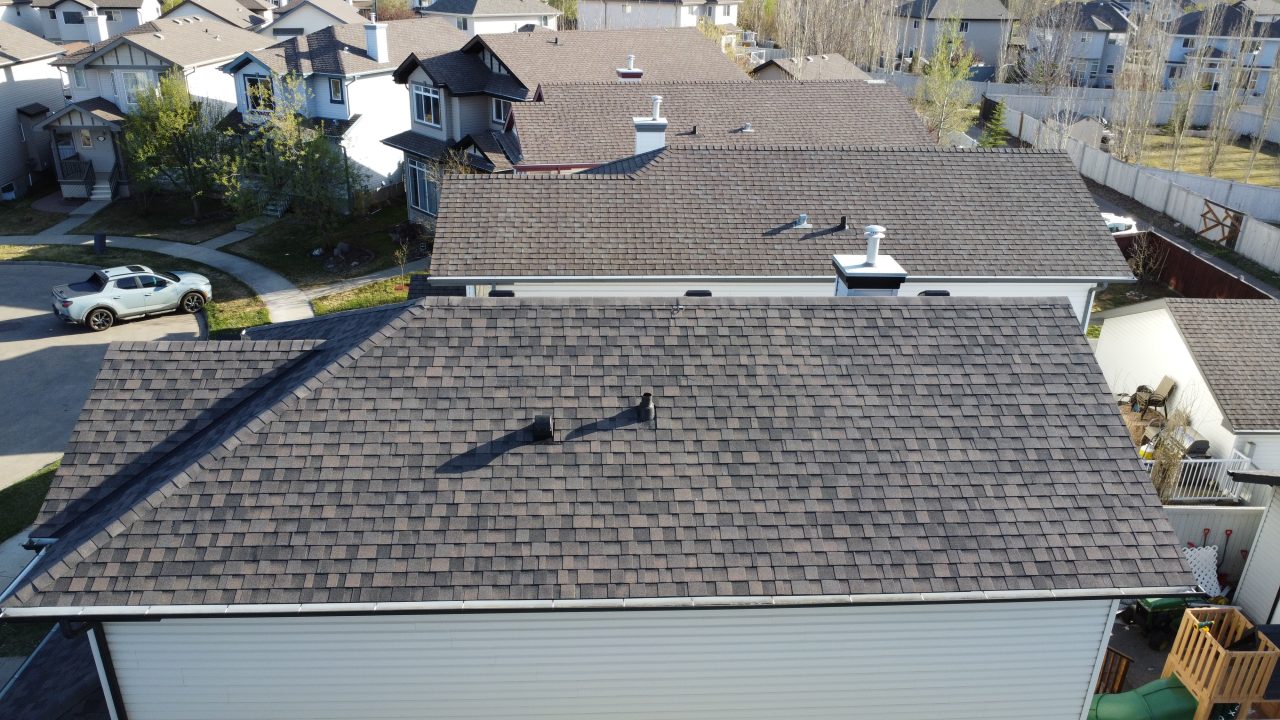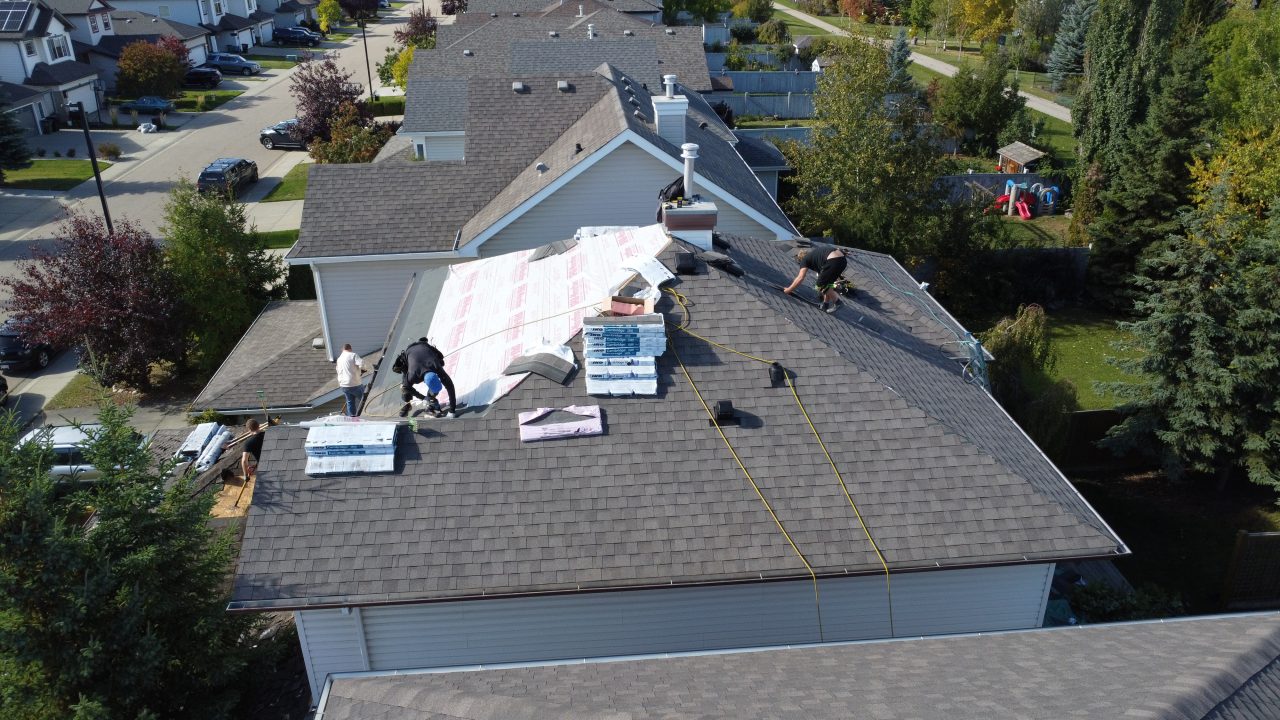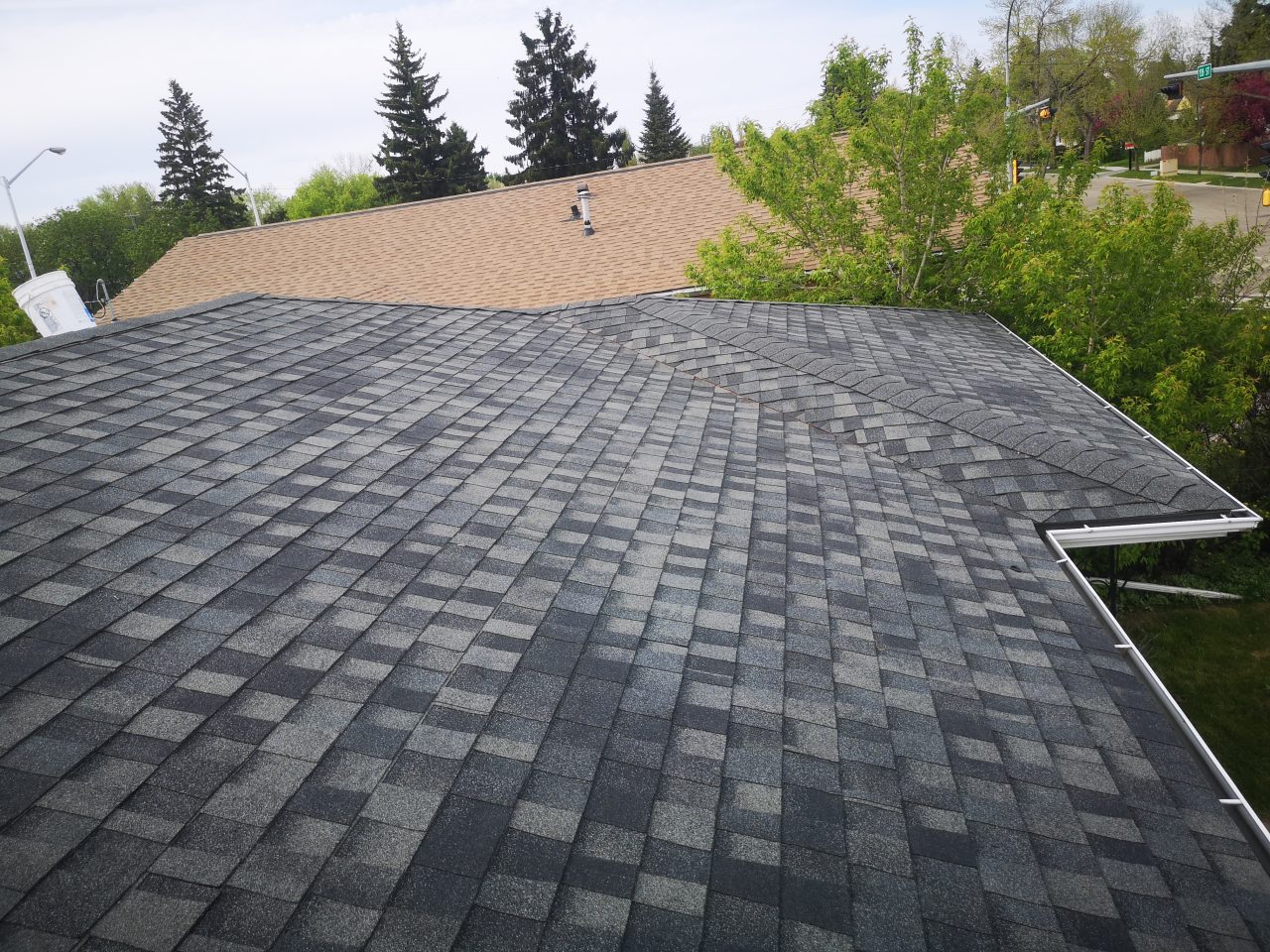
A roof is one of the most important components of any home, protecting the structure from the elements year-round. For Alberta homeowners, understanding roof lifespan is especially important because the province experiences some of the harshest weather conditions in Canada — from hailstorms and strong winds to heavy snow accumulation and repeated freeze-thaw cycles.
While roofing materials are designed to withstand years of exposure, no roof lasts forever. Installation quality, ventilation, maintenance habits, and local weather conditions all influence how long a roof will remain functional. Knowing what affects roof lifespan and recognizing early signs of deterioration can help homeowners act before minor issues become costly problems.
In this guide, we’ll explore the average lifespan of common roofing materials, the key factors that affect roof lifespan in Alberta, and the signs that may indicate it is time for roof repair or replacement.
What Affects Roof Lifespan in Alberta?
Several factors determine how long a roof will remain functional and protective. Material quality matters, but in Alberta, weather conditions often have the biggest impact on roof lifespan.
Weather Conditions
Alberta’s climate presents unique challenges for roofing systems. Hail, wind, snow, ice, and frequent freeze-thaw cycles can all accelerate roof wear and tear, especially when a roof is already aging or poorly maintained.
Hail
Many regions of Alberta experience severe hailstorms. Hail can crack shingles, damage protective coatings, loosen granules, and shorten the overall lifespan of a roof.
Wind
Strong winds can lift, loosen, or remove shingles entirely. Over time, repeated wind exposure weakens roofing materials and creates opportunities for water infiltration.
Snow and Ice
Heavy snowfall places additional weight on roofing structures. Ice dams can also form along roof edges, trapping water and causing moisture damage beneath shingles.
Freeze-Thaw Cycles
One of the most significant sources of Alberta weather roof damage is the frequent freeze-thaw cycle. Water can enter small cracks, freeze, expand, and gradually enlarge those openings. This process contributes to roof deterioration and premature aging.
Roof Ventilation
Proper attic ventilation helps regulate temperature and moisture levels. Poor ventilation can trap heat in summer and moisture in winter, leading to mold growth, wood rot, and reduced shingle performance.
A well-ventilated attic can significantly improve roof lifespan in Alberta by minimizing temperature extremes and preventing moisture-related damage.
Installation Quality
Even the highest-quality roofing materials may fail prematurely if they are installed incorrectly. Improper flashing, inadequate underlayment, poor shingle alignment, and weak sealing can create vulnerabilities that lead to leaks and structural issues.
Working with experienced roofing professionals helps ensure the roof performs as intended throughout its expected lifespan.
Maintenance Habits
Routine maintenance is one of the simplest ways to maximize roof lifespan. Regular inspections, debris removal, gutter cleaning, and prompt repairs can prevent small issues from becoming major problems.
Homeowners who proactively maintain their roofs often gain several additional years of service compared to those who delay maintenance until visible damage appears.
How Long Different Roofing Materials Last
One of the most common questions homeowners ask is: “How long does a roof last?” The answer depends largely on the material used, but local weather and maintenance also play an important role.
| Material | Average Lifespan |
|---|---|
| Asphalt shingles | 15–30 years |
| Architectural shingles | 25–40 years |
| Metal roofing | 40–70 years |
| Cedar shakes | 20–40 years |
Traditional asphalt shingles remain the most popular roofing option due to affordability and ease of installation. However, many homeowners wonder how long do asphalt shingles last in Alberta’s climate. While manufacturers may advertise lifespans of up to 30 years, harsh weather exposure can reduce actual performance if maintenance is neglected.
Architectural shingles generally last longer because they are thicker and more resistant to wind and impact damage. Metal roofing offers exceptional durability and can withstand many weather-related challenges common in Alberta. Cedar shakes provide a natural appearance but require more maintenance to achieve their maximum lifespan.
Ultimately, the answer to “how long does a roof last” depends not only on the material but also on installation quality, environmental conditions, and regular upkeep.
Signs Your Roof Is Reaching the End of Its Life
Recognizing aging roof signs early can help homeowners avoid extensive repairs and unexpected failures. The following warning signs often indicate that a roof is approaching the end of its service life.
Curling or Buckling Shingles
Shingles that curl at the edges or buckle in the middle are often signs of prolonged weather exposure and aging. This reduces their ability to shed water effectively and increases the risk of leaks.
Missing Shingles
Strong winds and storm damage can remove shingles entirely, exposing vulnerable areas beneath. Missing shingles should never be ignored, especially on older roofs.
Granule Loss
Asphalt shingles contain protective granules that shield them from UV exposure. Finding excessive granules in gutters is a common indication of roof wear and tear.
Recurring Leaks
A single leak may be repairable, but repeated leaks in different locations often suggest widespread roof deterioration. Multiple leak repairs can become increasingly expensive over time.
Sagging Roof Areas
A sagging roof may indicate structural damage, moisture intrusion, or long-term deterioration. This is one of the most serious signs roof needs replacement and should be assessed immediately.
Moss and Algae Growth
While moss may appear harmless, it traps moisture against roofing materials and accelerates deterioration. Persistent growth can shorten roof lifespan and contribute to underlying damage.
If several of these aging roof signs are present at the same time, replacement may be more practical than continued repairs.
Common Roof Problems Older Homes Experience
As roofs age, homeowners often encounter a range of issues that become increasingly difficult to manage. Many forms of roof deterioration happen gradually, so problems may remain unnoticed until significant damage has already occurred.
- Attic moisture: Older homes frequently suffer from inadequate insulation and ventilation. Moisture accumulation in the attic can lead to mold, wood rot, and damage to roofing components.
- Poor ventilation: Many older roofing systems were built to standards that differ from current best practices. Insufficient airflow can accelerate roof deterioration and reduce overall lifespan.
- Repeated repairs: When the same problems continue to reappear, repair costs can accumulate quickly. Frequent patchwork solutions often indicate deeper underlying issues.
- Hidden structural problems: Water intrusion over many years may compromise roof decking, rafters, and supporting structures. These hidden issues are among the most costly old roof problems homeowners face.
Repair or Replacement: How to Decide
Many homeowners struggle with the decision to repair or replace roof systems. The right choice depends on the age of the roof, the extent of damage, and long-term cost considerations.
| Repair May Be Enough | Replacement May Be Better |
|---|---|
| Localized damage | Widespread damage |
| Newer roof | Old roof |
| Single leak | Multiple leaks |
| Minor shingle damage | Structural concerns |
Generally, repairs make sense when damage is limited and the roof still has substantial remaining lifespan. However, replacement may be more cost-effective when the roof is approaching the end of its expected lifespan, damage affects multiple areas, leaks continue despite previous repairs, structural concerns are present, or energy efficiency has declined significantly.
When evaluating roof repair vs replacement, homeowners should consider not only immediate costs but also long-term reliability, safety, and future maintenance requirements.
How Regular Inspections Can Extend Roof Life
One of the most effective ways to maximize roof lifespan is through regular inspections. Preventive maintenance allows homeowners to identify minor issues before they develop into major repairs.
Problems such as damaged flashing, loose shingles, blocked ventilation, and small leaks can often be corrected quickly when discovered early. Seasonal inspections are especially valuable in Alberta, where weather conditions can change dramatically throughout the year.
Many roofing professionals recommend inspections:
- After major hailstorms
- Following severe wind events
- In spring after snowmelt
- Before winter begins
Regular professional assessments can help identify developing issues that may not be visible from the ground. Learn more about professional roof evaluations here: Roof Inspection.
By catching problems early, homeowners can often extend roof lifespan and reduce long-term maintenance expenses.
Frequently Asked Questions
How long does a roof last in Alberta?
The average roof lifespan in Alberta ranges from 15 to 70 years depending on the roofing material, installation quality, maintenance practices, and weather exposure. Asphalt shingles typically last 15–30 years, while metal roofing may last 40–70 years.
How long do asphalt shingles last?
Most asphalt shingle roofs last between 15 and 30 years. Severe weather, hail damage, poor ventilation, and inadequate maintenance can shorten their lifespan.
Can roof repairs extend roof lifespan?
Yes. Timely repairs can prevent small issues from developing into major structural problems. Regular maintenance and prompt repairs often add years to a roof’s useful life.
How do I know if my roof needs replacement?
Common indicators include curling shingles, missing shingles, granule loss, recurring leaks, sagging areas, and widespread roof deterioration. A professional inspection can help determine whether repair or replacement is the better option.
Conclusion
Roof lifespan depends on several factors, including roofing material, installation quality, maintenance practices, and environmental conditions. In Alberta, harsh weather conditions such as hail, wind, snow, and freeze-thaw cycles can accelerate roof wear and tear compared to milder regions.
Understanding the warning signs of roof deterioration and scheduling regular inspections can help homeowners protect their investment and avoid unexpected repairs. Whether your roof is relatively new or approaching the end of its expected lifespan, proactive maintenance remains the most effective way to maximize performance and longevity.
Unsure About Your Roof’s Condition?
If your roof is showing signs of aging, a professional assessment can help determine whether repair or replacement is the best option.
Related services: