Gutters do far more than improve the appearance of your roofline. They are one of the key systems that protect your home from water damage by collecting rainwater and melting snow and directing it away from the structure. When this system works properly, it helps reduce the risk of foundation problems, basement moisture, siding damage, and soil erosion around the home.
Many homeowners do not think about their gutters until something goes wrong. Overflow, leaks, debris buildup, and poor drainage can all create costly issues over time. Understanding how gutters work, why gutters are important, and what happens if gutters are clogged can help you prevent small maintenance concerns from turning into major repairs.
What Is an Eavestrough and How It Works
- Rainwater flows down the roof surface
- The eavestrough collects the runoff
- Downspouts move water downward
- Water is redirected away from the foundation
What Happens If Gutters Don’t Work Properly
- Overflow sends water down exterior walls
- Clogged gutters trap debris and block drainage
- Moisture can enter the roof edge and soffits
- Soil erosion may develop near the foundation
- Basement flooding risk increases over time
Common Eavestrough Problems Homeowners Face
- Clogged gutters – debris blocks water flow and causes overflow
- Sagging – extra weight or failing brackets pull sections downward
- Leaks – joints, seams, or small cracks allow water to escape
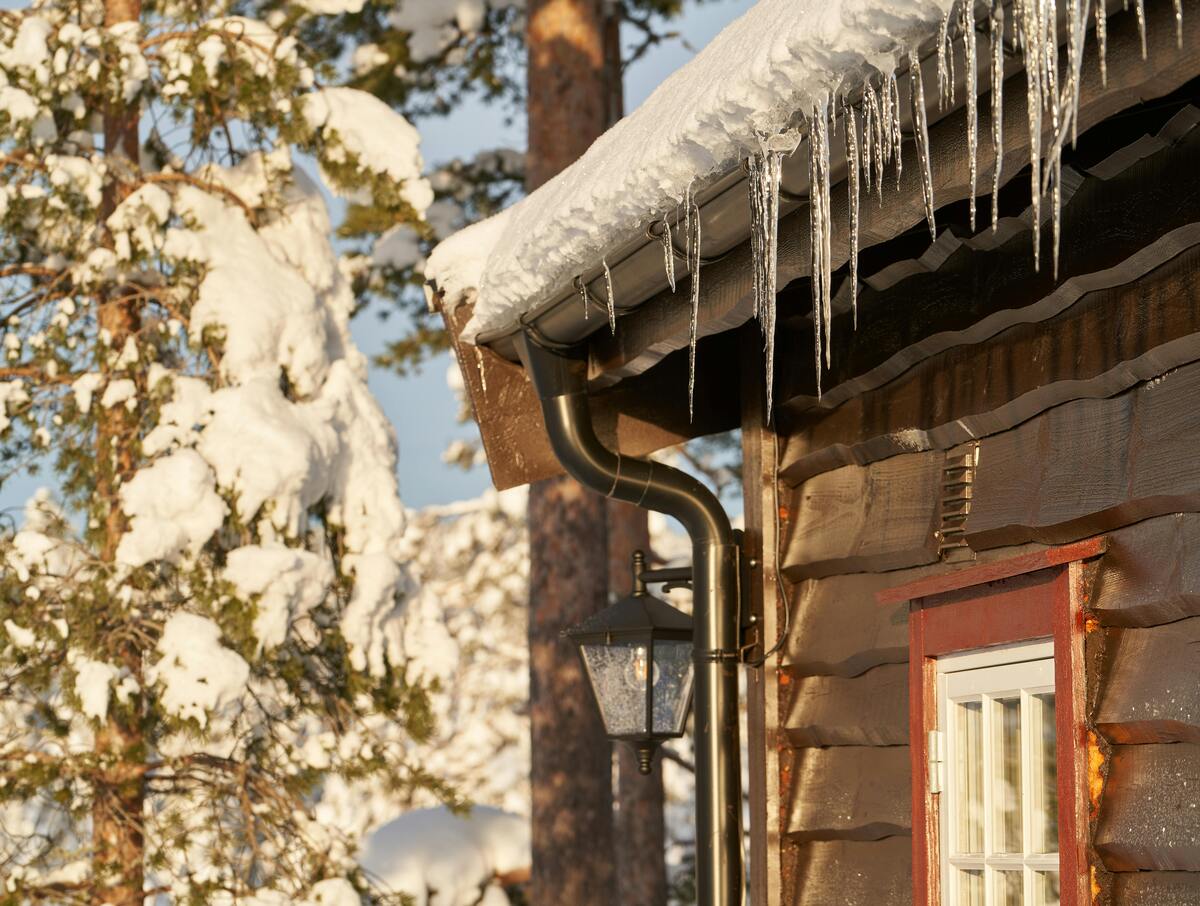
- Ice buildup – frozen water creates extra stress during winter
Why Proper Drainage Protects Your Foundation
- Water is carried away from the structure
- Soil movement becomes less severe
- Pressure against foundation walls is reduced
- The risk of cracks and seepage becomes lower
How Often Should You Clean Your Gutters?
- At least once in spring
- At least once in fall
- More often if trees hang over the roof
- After storms that leave heavy debris behind
Seasonal Gutter Maintenance Checklist
Fall
- Remove leaves and organic debris
- Check downspouts for blockages
- Inspect joints and fasteners
Winter
- Watch for ice buildup and heavy snow edges
- Monitor for signs of ice dam formation
- Check for overflow during thaw periods
Spring
- Inspect for winter damage
- Confirm water flows correctly
- Look for leaks, sagging, and loose sections
Repair or Replacement — What Homeowners Should Know
Repair may be enough when:
- The damage is limited to one section
- Leaks are minor and localized
- Fasteners or brackets have come loose
Replacement may be the better option when:
- Multiple areas are failing at once
- Drainage problems keep returning
- The system is older and worn throughout
When It’s Time to Call a Professional
- Water keeps overflowing even after cleaning
- Sections are sagging or separating
- Leaks appear near joints or corners
- Drainage problems are affecting other parts of the home